New Book Details 50 Years of Living With Washington Volcanoes
Author David B. Williams publishes a natural history that traces the geological and human history of the state's mountain range.
By Adam Lin ·
Seattle readers can now purchase a new 400-page natural history book that documents the geological and human history of the Cascade Range. The volume, titled 'In the Range of Fire and Ice: A Human and Natural History of Washington’s Cascades,' was written by David B. Williams, a local author and Curatorial Associate at the Burke Museum. The book serves as a guide to the unique ecological features of the state's central spine, which is the only mountain range in the contiguous United States to feature active volcanoes alongside dominant glaciers.
Williams frames the Cascades as a landscape defined by the opposing forces of fire and ice. He argues that these elemental forces shaped the region's ecology and influenced more than ten thousand years of human history. The text moves beyond simple geology to weave together stories of specific species and the people who have inhabited the area. Each chapter combines field research with historical context, covering topics from wolverines and mountain goats to huckleberries and Clark’s nutcrackers.
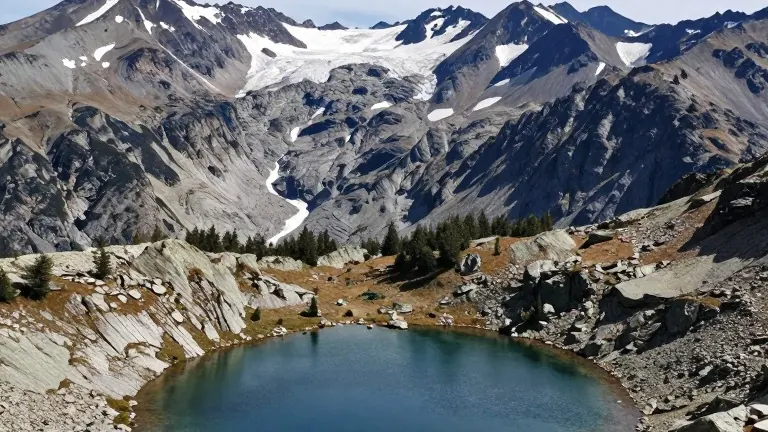
The author’s personal connection to the range began in 1978 during a middle school backpacking trip to Pinnacle Lake. That location lies in the western foothills, approximately 35 miles northeast of Seattle. Williams recalls the early experience as difficult, noting that the gear was too heavy, the trail was steep, and it rained throughout the journey. He described waking up cold and wet, a memory that he says nearly convinced him to give up hiking in the mountains.
Decades later, Williams returned to that same site with his wife, Marjorie. This time, they hiked a 1.7-mile trail that contained fourteen switchbacks. The group explored a plateau of clear ponds and exposed granite near the lake. Williams stated that the stark beauty of the landscape made him wish they had brought camping gear to stay the night. He noted that the experience confirmed his long-held belief that the Cascades are a special place that offers solace and joy to those who know they are there.
The book addresses the ongoing challenges facing the region, including human-induced climate disruption and habitat destruction. Williams writes that while the planet is troubled, there is reason for hope based on the resilience of local ecosystems. He points to the recovery of Mount St. Helens and the return of carnivores such as wolves and wolverines as evidence of this resilience. The text examines how ecosystems have responded to persistent changes caused by volcanic eruptions, fires, and glacial scouring.
Williams has written 12 books in total. His previous works include 'Homewaters: A Human and Natural History of Puget Sound' and 'Waterway: The Story of Seattle’s Ship Canal and Locks.' The latter was a finalist for the Washington State Book Award. He currently lives in Seattle and writes a weekly newsletter called the Street Smart Naturalist. The new book is available for purchase from local bookstores and online retailers.
Source: Salish Current