Musicians fight AI to claim authenticity
New indie acts are winning acclaim by rejecting digital polish, reviving a decades-old debate about what makes music feel real.
By Idris Robinson ·
The question of whether music is real has become the central anxiety of 2026.
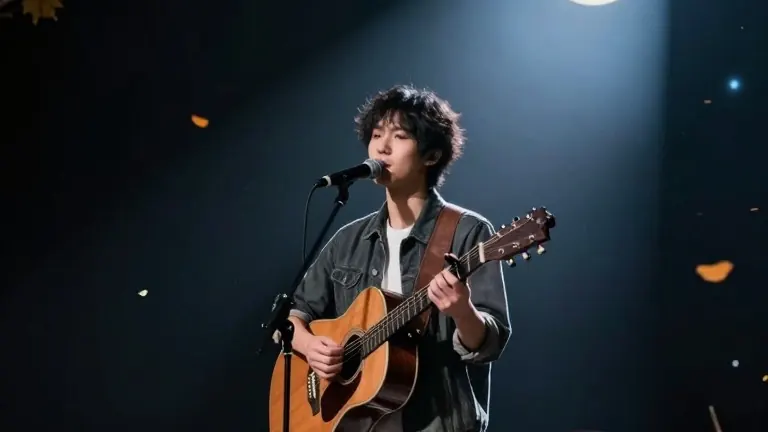
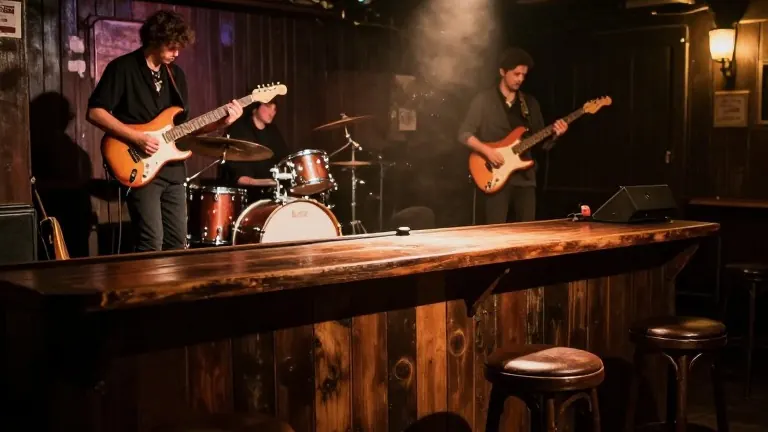
A new wave of artists is gaining critical praise by embracing raw, do-it-yourself production methods. Bands like New Orleans rock group Twisted Teens, Westside Cowboy, and Mandy, Indiana are using punk and garage sounds to counter the rise of artificial intelligence and manufactured fanbases. Critics argue these groups are winning acclaim because they are fighting for the soul of music against what some call the black hole of AI slop.
Caspian Hollywell of Twisted Teens captures this tension in the song Is it real. He describes the track as a chaotic search for salvation or a need for medication. Hollywell tells an interviewer that fans can like the band or hate it, but they cannot say it is not real. He claims a lineage that stretches back to the origins of American music culture.
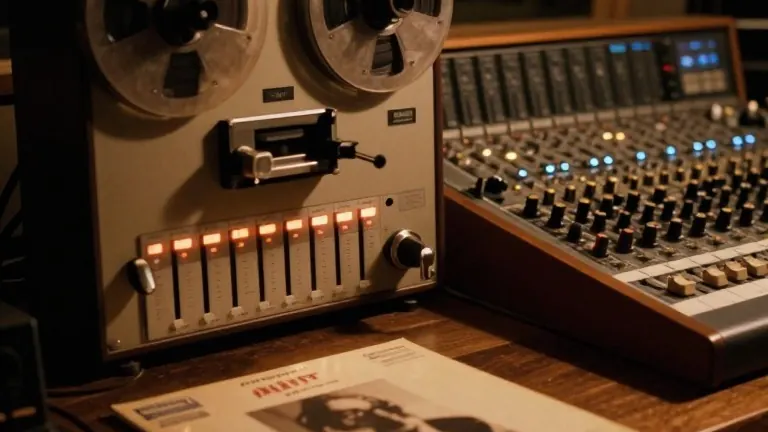
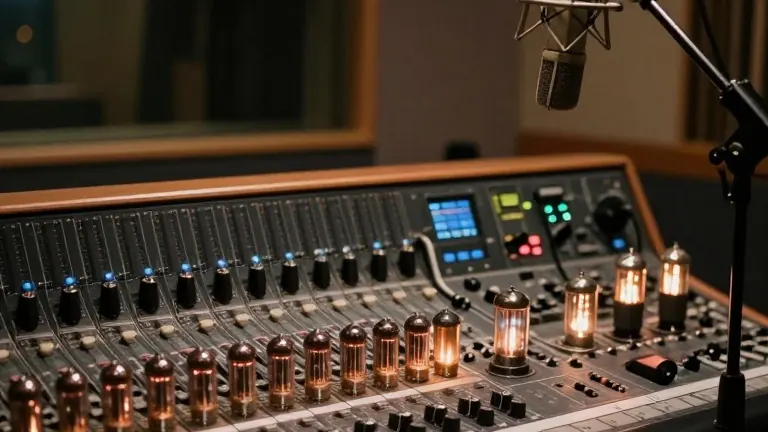
This fight echoes historical debates triggered by new technology. In 1979, Ry Cooder recorded his album Bop Till You Drop using digital systems. It was the first time a major label artist used computerized recording to achieve a cleaner sound than analog tape. Cooder initially liked the clarity but later admitted the result sounded thin and cold. He felt the digital process removed the human ambiance of the room.
A similar dispute erupted in the early 1990s involving Paula Abdul. Session singer Yvette Marine accused Abdul and her producers of using computers to create a composite voice for the hit Opposites Attract. Marine sued but lost the case. Critic Simon Reynolds defended Abdul as a star devoted to showbiz and sleek construction. He conceded her music lacked resonance but argued it was valid pop art.
Historians note that every decade since recorded music began has produced a crisis of faith. In 1929, Volney D. Hurd of the Christian Science Monitor argued radio was a true miniature of live events. In 1969, Washington Post critic William C. Woods called the Woodstock album and film both a treasure and a fraud due to editing and audio fidelity. These examples show that listeners eventually adjust to innovation and accept synthetic tools as part of the artistic process.
Social factors also influence authenticity claims. Hugh Barker and Yuval Taylor identify three types of authenticity in their 2007 book Faking It. Representational authenticity asks if an artist actually performed the work. Cultural authenticity requires verifiable ties to specific communities. Personal authenticity questions whether an artist has the depth to tell another person's story. These rules shift as demographics and politics change.
The current discourse feels more urgent than previous eras. Lionel Trilling suggested in a 1972 lecture that the pursuit of the real self may have gone too far. Today, that pursuit intersects with AI tools and shifting commercial pressures. The industry continues to balance profit with the public's desire for genuine human expression.
Source: KNKX Public Radio