Joyce Hatto released 100 albums, but most were not her playing
A record producer admitted in 2007 that he swapped in other pianists' performances for his wife's recordings.
By Rahul Sato ·
The deception lasted decades.
Joyce Hatto, an English pianist, released approximately 100 albums between the mid-1970s and her death in 2006. These records featured music by Bach, Mozart, Beethoven, Debussy, Prokofiev, and Messiaen. Critics praised the work with rare unanimity. Richard Dyer of The Boston Globe called Hatto the greatest living pianist almost no one had heard of. Jeremy Nicholas of The Guardian stated her discography matched few pianists in history for quantity and quality.
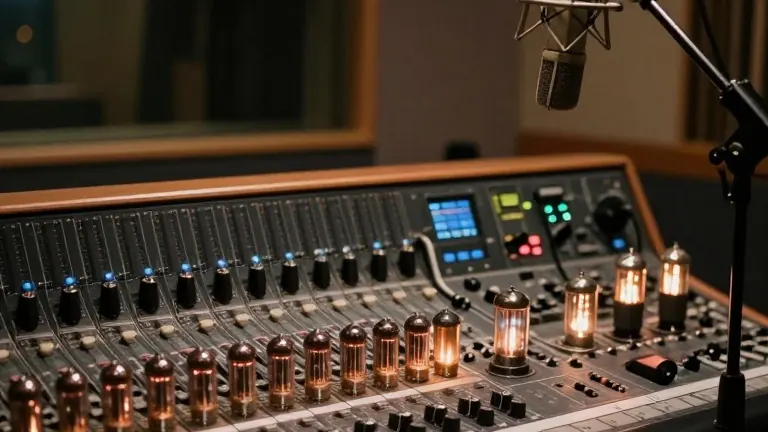
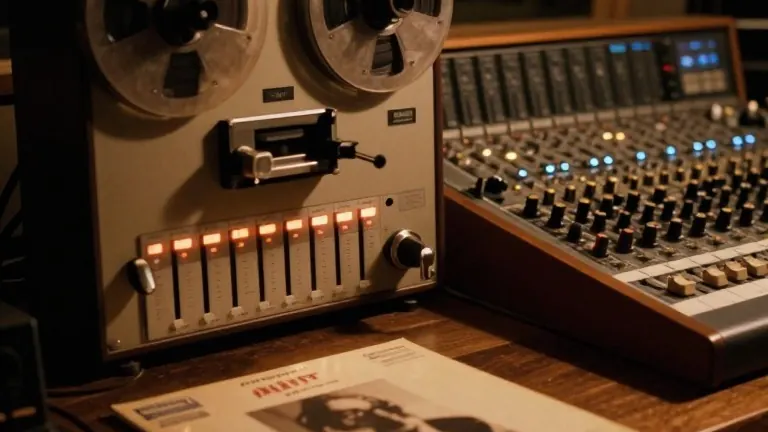
The albums were recorded in a village outside Cambridge by Hatto's husband, William Barrington-Coupe. He served as both engineer and producer. The couple released the work on their own label. The records became difficult to acquire as demand grew.
The truth emerged in the late 1980s and early 2000s. A reader for Gramophone magazine noticed a digital file from a Hatto Liszt recording identified the performer as László Simon. Other anomalies followed. A Rachmaninov concerto registered as Yefim Bronfman's work, and a Godowsky album labeled Carlo Grante's. An audio expert compared the soundwaves of Hatto's releases with those of other pianists. The results matched beyond doubt.
Barrington-Coupe initially insisted the recordings were his wife's. In February 2007, he admitted to the swap. He said he used other pianists' performances because Hatto's cancer sapped her ability to play. He manipulated the speed of some tracks to hide the difference. Most of the music was stolen whole cloth from respected performers.
Hatto died at age 77 in 2006. The scandal broke less than a year later. Critics who had praised the albums were not entirely duped, as the playing was spectacular, just by different hands. The incident raises questions about how audiences and critics perceive authenticity in art. It also serves as a precedent for a modern era of artificial intelligence and deep fakes in the music industry.
The case closed with the producer's confession. The pianist's legacy remains a collection of recordings that sound like her but are not hers. The story continues to circulate as a benchmark for musical fraud in the 21st century.
Source: KNKX Public Radio