Trump's 37% Approval Rating Sets Stage for Historic GOP Midterm Losses
Polls show the president’s support has dropped below the threshold that typically triggers severe electoral defeats for the incumbent party.
By Rahul Sato ·
President Donald Trump’s approval rating has fallen to 37%, a level that historically presages crushing midterm losses for the party in power. As Americans prepare to vote on Tuesday, the political confidence of the nation’s executive branch faces a rigorous test.
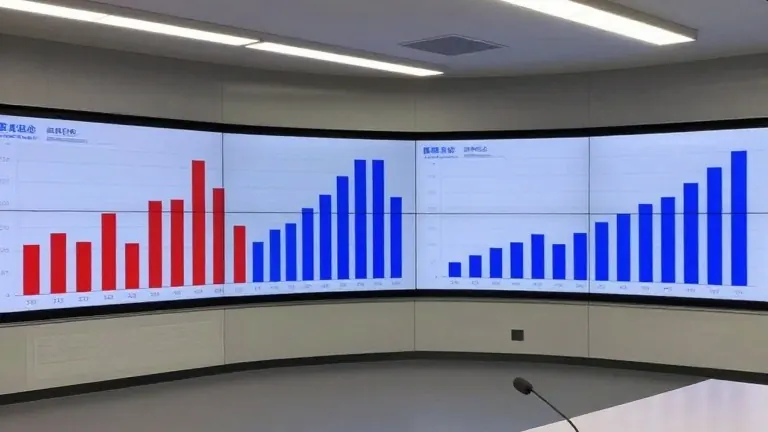
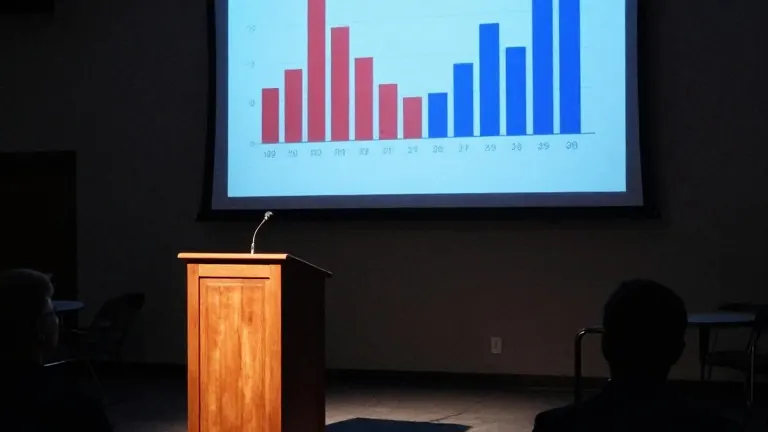
The polling data indicates a sharp decline in support. Trump’s average approval stood at 52% in early 2025. By this fall, that number has dropped below the 40% threshold. In previous cycles, ratings in this range have signaled brutal results for the president’s party.
The electoral pendulum appears poised to swing against the White House. This follows a pattern observed in nearly every midterm election over the last century. Analysts predict the Republican Party will lose its slim majority in the House. The Senate remains too close to call, though Vice President JD Vance’s tie-breaking vote could preserve a GOP majority if the race ends in a split.
Trump’s campaign strategy in the final weekend reflected an attempt to limit these losses. The president traveled to Iowa and Kansas for in-person events. He also held remote tele-rallies in 19 other states. Iowa is notable because Trump won 31 counties there that had voted for Barack Obama in 2008 and 2012. Kansas has not elected a Democrat to the Senate since 1932. This focus on specific battlegrounds suggests his team is bracing for a tough environment.
The decline in approval ratings is driven by economic dissatisfaction. Trump promised to lower costs and tame inflation. Instead, gas prices have surged and everyday costs remain high. Critics have also pointed to unfulfilled foreign policy goals, including peace deals in Ukraine and the Middle East. The slogan 'No Kings' has become a central theme at rallies opposing the president’s expanded use of executive power.
Democrats face their own internal challenges even if they gain control of Congress. The party’s nominee slate includes candidates aligned with the Democratic Socialists of America. These candidates have featured prominently in Republican campaign ads. Ruy Teixeira, a political demographer at the American Enterprise Institute, published a list of 11 questions for Democrats in October. He asked whether the party would prioritize working-class interests over issues of race, gender, and energy policy.
The 2026 election also raises questions about the integrity of the voting process itself. Nonpartisan experts generally defend the current state of American elections. They point to upgrades in technology and administration since the Help America Vote Act of 2002. This legislation replaced punch-card ballots with touch-screen technology and paper trails.
Despite these technical improvements, faith in the system may be tested in the days following Tuesday. Trump has a history of questioning election outcomes without concrete evidence. In 2016, he suggested that a loss would prove the process was fraudulent. In 2021, his supporters rallied on January 6 to protest the results of the previous November. He accepted the 2024 results but continues to label unfavorable news and polling as fake.
The pressure will build as votes are counted. The stress may extend beyond election night into the following weeks. The outcome will determine whether the will of the people drives the next phase of American political life or if disputes over the mechanics of the vote obscure the result.
Source: Wyoming Public Media