Data Centers: Midterm Battles Over Health and Power
Rising opposition to hyperscale facilities in red states is forcing candidates to pick sides in a national trend.
By Adam Lin ·
A new wave of local opposition is turning data center construction into a key issue for the November midterms. This shift is particularly pronounced in rural red states where many of these facilities are planned or already operating.
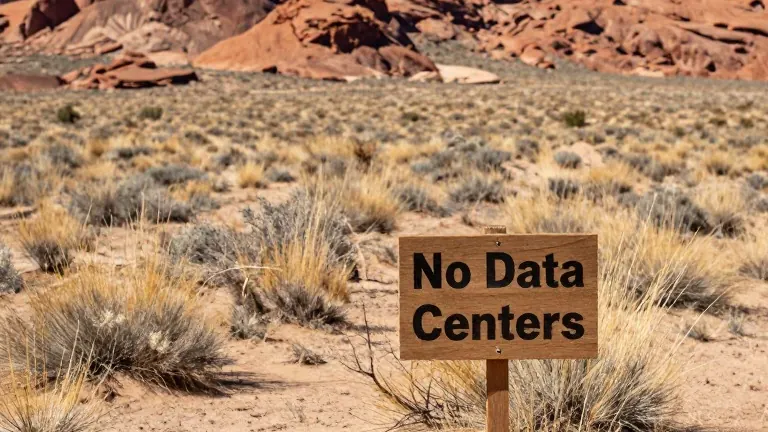
In Page, Arizona, residents are fighting a proposed $10 billion project. The city council approved the sale of 500 acres near Horseshoe Bend, but developers still need zoning and other approvals. Doug Herrera, 64, stands in his yard with a sign that reads "No Data Centers." He worries that light and sound pollution will affect his health, citing nearby uranium mining as a prior health concern.
Political scientists note that this opposition is grassroots and rapid. Lee Hannah, a professor at Wright State University, said that decisions made by local officials just a year ago to support data centers are now "career-ending" for some incumbents. In Ohio, more than a dozen local referendums related to these facilities will appear on ballots, the most of any state.
The controversy has reached the top of the ballot in Ohio. Democratic former Senator Sherrod Brown is attacking Republican Senator Jon Husted, calling him "the face of data centers." A memo from the National Republican Senatorial Committee described the issue as "the anchor hanging around Husted's neck." Husted's spokesperson, Tom Evans, stated that the senator believes data centers should remain a local decision and that companies must pay for infrastructure costs.
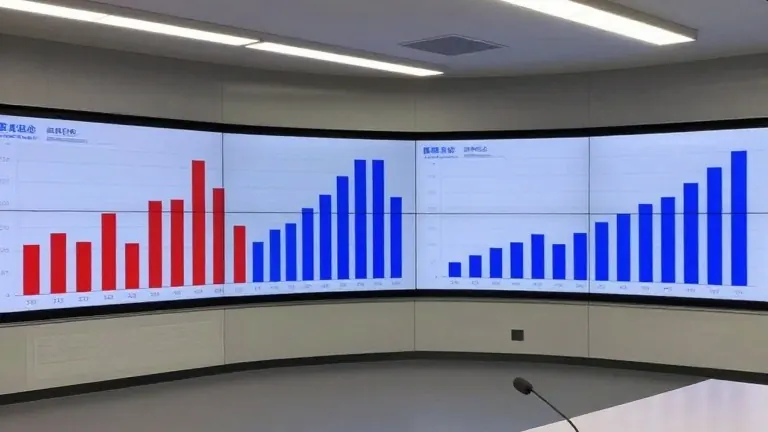
The data on public sentiment supports the challengers. A Washington Post-ABC News-Ipsos poll in October found that two in three Americans oppose new data center construction. In Ohio, a survey by Ohio Northern University found that 55% of adults opposed construction, and about two-thirds held a negative view of the environmental impact. In Arizona, 57% of registered voters opposed building more large data centers, according to a Noble Predictive Insights poll.
Health researchers warn that the full cost of these facilities is only beginning to emerge. Modeling from the University of California-Riverside suggests that emissions could cause nearly 1,300 deaths annually by 2030 and result in a public health burden exceeding $20 billion by 2028. Alison Steele, executive director of the Environmental Health Project, said the research is just starting to show the "early edge of the wave" of health impacts.
The industry argues that existing regulations limit emissions. Dan Diorio of the Data Center Coalition said a review of Virginia, the largest market, found minimal use of backup diesel power. He stated that data centers are committed to being responsible partners where they operate.
The political stakes are high in districts where President Trump supports construction for economic growth. Jay Feely, the Republican candidate for Arizona's 1st Congressional District, said data centers are key to keeping up with China. His Democratic opponent, Amish Shah, wants a pause on new construction. In Page, residents voted out the mayor in July over the land sale approval, a move opponents view as a warning to midterm candidates.
Source: Pasadena Star-News