Tesla shifts Fremont to robot assembly, targeting 20,000 units weekly
The automaker is repurposing old car lines to mass-produce humanoid robots, aiming for commercial delivery by late 2027.
By Idris Robinson ·
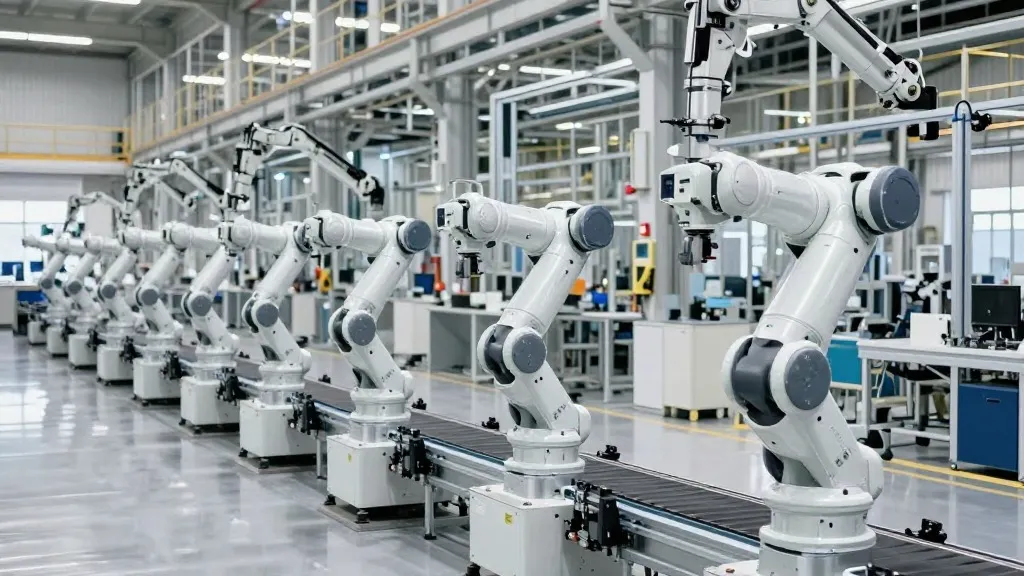
For those watching the shift from traditional automotive manufacturing to robotics, the most immediate change is the transformation of a major production facility in California. The space inside the Fremont factory that previously assembled Model S and Model X vehicles is now dedicated to building humanoid robots. This transition signals that the company views these machines not as experimental prototypes, but as finished goods ready for the market.
The central claim from the company is that the robots rolling off this new line meet the standards required for commercial products. In its third-quarter shareholder letter, the firm stated that it has proven the current manufacturing process is suitable for a commercial item. This marks a departure from earlier batches, which were viewed primarily as testing units. The goal is to establish a consistent supply of functional robots for external buyers.
The physical infrastructure for this shift is already in place. The old vehicle assembly line was cleared in just 46 days to make room for the new robot production setup. The equipment is sized to handle a massive volume, with long-term ambitions for one million units per year. On a recent earnings call, leadership indicated that most of the necessary hardware is already installed in Fremont.
Production numbers are expected to climb rapidly as the line ramps up. The target is to reach a pace of roughly 20,000 robots per week. However, the growth is not expected to be linear. The CEO described the trajectory as an S-curve, noting that the initial phase involves a shallow slope before output accelerates significantly. This suggests that early adoption numbers may be modest before scaling up.
A key challenge for the robotics division is data collection. Unlike the automotive sector, where millions of vehicles on the road provide constant training data, the robot fleet is currently small. To solve this, the company is implementing a program called the Optimus Academy. This initiative involves using 10,000 to 20,000 robots to practice various tasks. The data generated from these exercises feeds into the AI models, allowing every unit to improve the next version.
Hardware upgrades are also part of the roadmap. The company plans to integrate a new AI5 chip into the robots next year. This upgrade is intended to move the machines away from preprogrammed motions and toward autonomous decision-making. A new video demonstrating these AI-driven capabilities is expected within the next one or two months. This development is seen as a way to distinguish the product from rival demonstrations that rely on scripted routines.
The supply chain is aligning with this production ramp. In September, several partners were certified for mass production of robot components. Meanwhile, a much larger facility at Giga Texas is under construction, with steel frames nearing completion. The long-term target for that plant is significantly higher, aiming for 10 million robots per year. This expansion indicates a commitment to scaling the product globally.
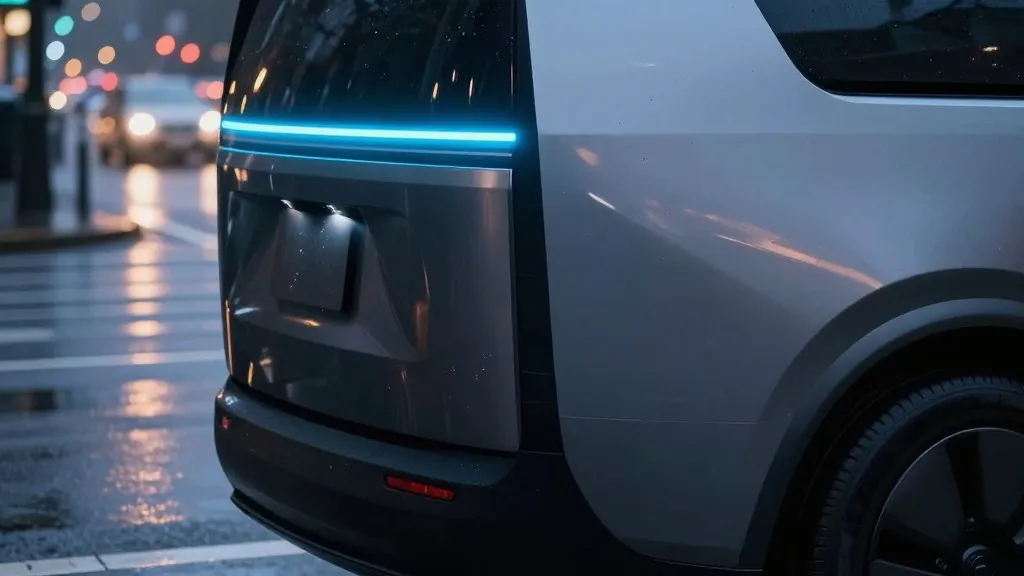
Cost and design remain areas of focus. Executives noted that production costs are trending toward the level expected for the company's autonomous taxi vehicle. This suggests the robots are being engineered for high-volume manufacturing from the start. The hands remain the most difficult part of the design to finalize, and much of the current engineering effort is concentrated there. Deliveries to outside companies for dangerous or repetitive jobs are planned for the end of next year.
Source: Teslarati · original report published