Apple's Pocket Music Revolution Turns 25
Twenty-five years ago, a compact player with five gigabytes of storage redefined how consumers carry their favorite songs.
By Adam Lin ·
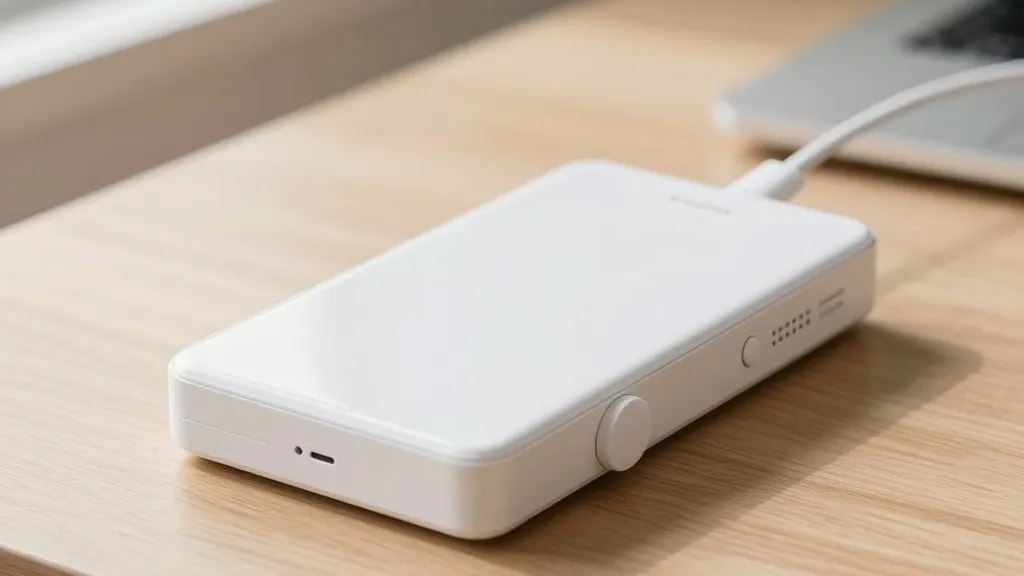
A quarter-century ago, a small white device changed the way the world listens to music. On October 23, 2001, Apple CEO Steve Jobs introduced a product that would become a cultural icon before smartphones rendered it obsolete. At the time, the company had already stabilized its fortunes with the iMac and OS X, but Jobs sought a new way to unify digital life. He envisioned the Mac as the central hub for cameras, DVD players, and portable audio, aiming to fill a void in the market where no clear leader existed.
The primary selling point of this new gadget was its ability to hold an entire music collection in a pocket for $399. While competitors like Sony and Creative had already released portable players, Jobs argued that none had found the right formula. He identified hard drive-based devices as the superior technology for this purpose, allowing for significantly larger storage capacities than the flash-based options available at the time. This strategic choice enabled the device to store 1,000 songs, a figure that resonated strongly with early adopters who could now carry their preferred playlists without swapping discs.
The physical design was a critical component of the device's appeal, leveraging a newly developed ultra-thin hard drive from Toshiba. The drive measured just 1.8 inches in diameter and 0.2 inches in thickness, allowing the final product to be as small as a deck of cards. Weighing only 6.5 ounces, it was lighter than most cell phones of that era. Despite its compact dimensions, the device included a piezoelectric clicker for tactile feedback, ensuring that the scroll wheel provided a satisfying sensation while navigating through artists, playlists, or specific tracks with one hand.
Performance and connectivity were also key differentiators highlighted during the launch. The device featured a FireWire 400 connection, which was marketed as the fastest way to transfer audio data. Jobs claimed that transferring an entire CD of MP3s took only five to 10 seconds, a stark contrast to the five minutes required by USB connections at the time. Filling the device with 1,000 songs was estimated to take just 10 minutes. Additionally, the rechargeable lithium-polymer battery offered 10 hours of continuous playback and could reach 80% charge in an hour.
The launch was synchronized with the release of iTunes 2, which introduced Auto-Sync functionality. This feature allowed users to automatically update their portable player whenever they connected it to their computer for charging or data transfer. The system also supported MP3 CD burning and treated the portable device as an external hard drive. Although the first iPhone arrived in 2007, the two products coexisted for over a decade. The line eventually faded, with the final iPod Touch model released in May 2019, and the brand was officially discontinued in May 2022.
The success of this initial release set the stage for a long-running product family that defined a generation of mobile audio. It demonstrated that a well-designed, user-friendly interface could transform a niche technology into a mainstream essential. For many tech enthusiasts, it remains a favorite example of hardware that perfectly balanced form factor, capacity, and usability.
Source: Tom's Hardware · original report published