New startup aims to clone superior war dogs for U.S. military
Warhound has emerged from stealth with $200 million in funding to use genetic engineering and Anduril technology to address the dwindling supply of fit working dogs for American defense and law enforcement.
By Rahul Sato ·
The U.S. military is increasingly dependent on foreign nations for the working dogs that perform critical roles in bomb detection and search operations, a reliance that is straining as the domestic supply of fit animals shrinks. To address this gap, Warhound, a startup backed by $200 million in fresh investment, has emerged from stealth mode with a plan to genetically engineer dogs specifically for high-stakes military and law enforcement missions. The company’s debut marks a significant shift in how service animals may be produced, moving away from traditional breeding toward precise genetic modification.
The venture is a collaboration between Ben Lamm of Colossal Biosciences and Palmer Luckey of Anduril. Investors in the round include Sequoia, 8VC, Corner Ventures, and In-Q-Tel, a venture firm supported by the CIA and other U.S. intelligence agencies. This funding values Warhound at $1.2 billion. The core premise of the business is to create a new type of dog that is biologically optimized for the physical demands of military service, reducing the number of animals that fail training due to inherited health issues.
According to the company’s launch announcement, more than 80% of the U.S. military’s working dogs are currently sourced from Europe. Of those, less than half are deemed fit for service upon arrival. Lamm noted that many traditional breeds, such as Belgian Malinois and German Shepherds, often struggle with inherited predispositions to poor eyesight, cancer, hip dysplasia, or muscle atrophy. By studying the cell lines of top-performing breeds, Warhound intends to edit their DNA to enhance health, longevity, and specific physical traits like speed, agility, and olfactory sensitivity.
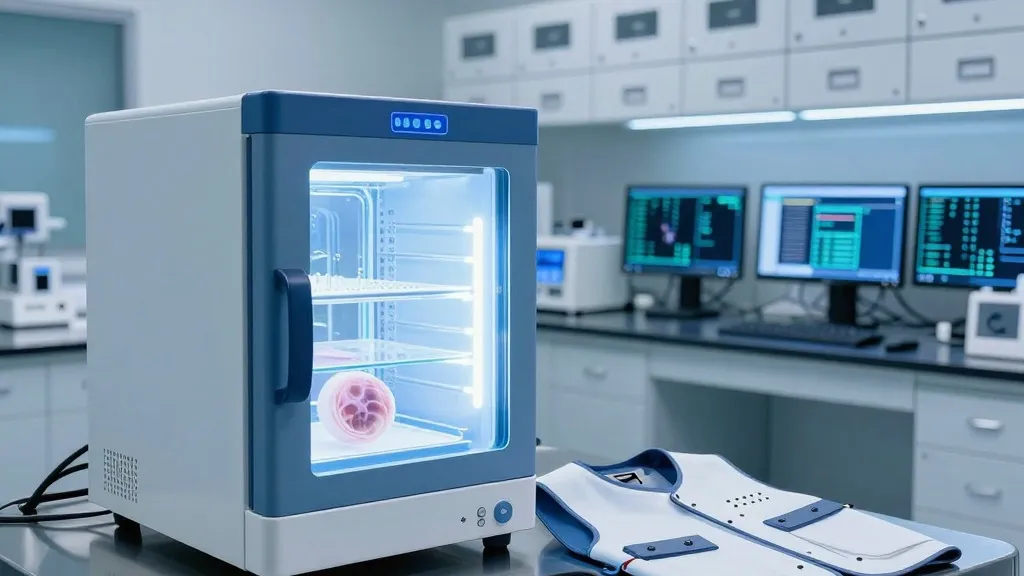
The dogs will not operate in isolation; they will be equipped with hardware and software provided by Anduril. This technology is designed to improve situational awareness for both the animals and their human handlers. Lamm described the concept as adding protective gear, such as vests with data sensors and goggles, that transmit information back to the handler. This integration allows for better coordination in the field, effectively making the dogs safer and more effective in the line of duty without altering their fundamental nature beyond genetic enhancement.
The technical process involves cloning and gene editing. Colossal Biosciences, known for its de-extinction efforts, will license its technology to Warhound. Viagen, another entity owned by Colossal, will handle the cloning process, utilizing a method that Lamm says has a high success rate. The first batch of genetically enhanced dogs is expected to be cloned and incubated shortly, with births anticipated in early 2027. The goal is to have these animals in active service within two years.
Warhound plans to sell these dogs to the Department of Defense, various military service groups, police forces, and first responders. While pricing has not yet been determined, the company has already briefed numerous government groups about its business model. Luckey serves as a partner in the venture but holds no equity, while Colossal owns a stake in the company. Lamm emphasized that the enhancements are intended to protect the human handlers as well, creating a safer operational environment for both parties.
Regarding the welfare of the animals, Warhound is working under the guidance of the American Humane Society to certify its training program. The society has stated that it looks forward to collaborating with Warhound and Colossal to ensure the animals are treated humanely. There is also a plan for retired dogs to enter the Military Working Dog Reunification Program, which helps find homes for dogs that have completed their service. Lamm assured that each dog will be trained and managed like any other military working dog, ensuring consistency in their care and deployment.
The launch of Warhound signals a growing intersection between biotechnology and defense procurement. As the demand for specialized working dogs continues to outpace traditional breeding capabilities, companies are looking to engineering solutions to fill the void. With significant capital and high-profile backing, Warhound is positioned to test the waters of this new market, aiming to deliver a workforce of dogs that are not only genetically superior but also technologically augmented for modern combat and emergency response scenarios.
Source: TechCrunch · original report published