
Missoula Parents Now Drive 150 Miles for Critically Ill Children After ICU Closure
Lifepoint Health ends its pediatric intensive care unit, leaving the next available option in Kalispell while national pediatric inpatient beds drop by nearly 30 percent since 2008.
By Adam Lin ·
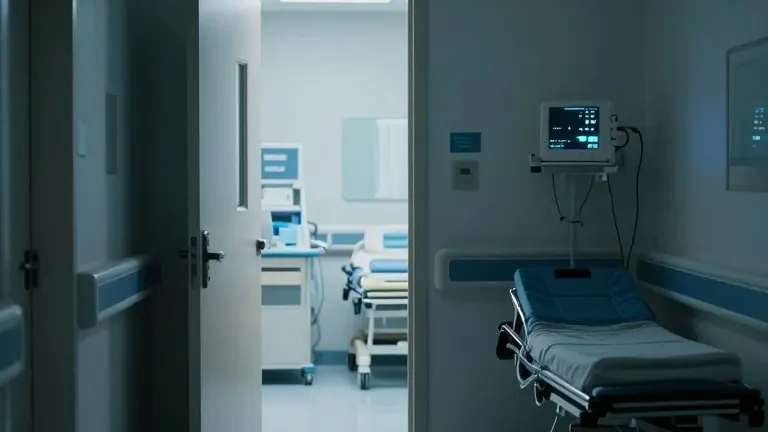
Community Medical Center in Missoula, Montana, closed its pediatric intensive care unit this month. The decision means the hospital will no longer house the region's most critically ill children. Those patients will be stabilized and then transferred to the nearest remaining facility. That location is Kalispell, approximately 150 miles north of Missoula.
Greg Cook, the hospital's CEO, stated the unit handled an average of two children per month who required intensive care. He estimated the closure will impact about 25 patients annually. Cook noted that the hospital has struggled to recruit local specialists since its last pediatric critical care doctor retired eight years ago. Specialists have since flown in on rotations. The hospital cited low patient volumes and long-standing staffing challenges as the primary drivers for the change.
Nationally, the number of pediatric inpatient units has fallen by nearly 30 percent from 2008 to 2022. A recent analysis found the count dropped from 1,749 hospitals to 1,226. This decline leaves three-quarters of hospitals without overnight pediatric services. In the past year alone, hospitals in Missouri, Oregon, Illinois, and California also shut down pediatric wings or units dedicated to critically ill children.
Hospitals often convert these beds into services for newborns or adults to cut costs. Elizabeth Mack, a pediatric critical care doctor and spokesperson for the American Academy of Pediatrics, described the shift as a spreadsheet issue. She noted that pediatric intensive care is expensive and difficult to sustain. She warned against expecting families to manage if the next closest children's hospital is a flight away or an eight-hour drive.
The financial pressure on hospitals is compounded by federal changes. The Trump administration added administrative hurdles to Medicaid and narrowed eligibility. While these changes target adults, about half of the nation's children rely on Medicaid or the Children's Health Insurance Program. Fewer enrollees mean a direct financial hit for hospitals. Researchers warn that gaps in care will widen as a result.
Darby Waldbillig experienced the distance required for critical care in 2022. Her toddler, Siobhan, suffered from bacterial meningitis. The family lived in Helena, making Missoula their closest option. Siobhan required a 100-mile emergency flight to reach the unit that now has closed. Waldbillig credited the doctors at Community Medical Center with saving her daughter's life. She described her daughter's face as swollen and her consciousness drifting in and out.
Community Medical Center is owned by Lifepoint Health, a for-profit company with revenue exceeding $10 billion annually. Cook said leaders consulted with Lifepoint before downgrading the unit. He stated that asking the parent company to float the program would not have solved the underlying issues. The hospital continues to provide emergency treatment, surgeons, therapists, and an intensive care unit for newborns.
Lauren Wilson, a pediatrician at the hospital, said local doctors can still consult with specialists elsewhere to stabilize and transfer children when needed. She stated that the hospital remains her choice for local care. Other hospitals have closed similar units for similar reasons. St. Vincent Medical Center in Portland, Oregon, closed its four-bed unit last November. Its spokesperson said the unit was often empty.
Regional hubs now treat the most complex cases. Raj Basu, division chief of critical care medicine at the Ann and Robert H. Lurie Children's Hospital of Chicago, noted that better early treatment means children arrive with more complicated conditions. He expressed concern that children are arriving sicker due to longer transfer times. Kenneth Michelson, a lead author on the study of declining units, said pediatric appendectomies decreased by more than half from 2003 to 2022. He called pediatric critical care a national necessity rather than a typical consumer good.
Source: CBS News