Midterm Elections: 435 House Seats Up for Grabs as Obama Campaigns in Georgia
Polls suggest Democrats may retake the House and Senate, but Republicans have secured $276 million in new funding and gerrymandered districts to protect their majority.
By Adam Lin ·

All 435 seats in the US House of Representatives are contested in the midterm election held Tuesday. Voters will also decide the outcome of 35 Senate races, 36 governorships, and thousands of local positions. The ballot measures include 140 state referendums. Among them is California Proposition 40, which proposes a one-off 5% wealth tax on the state's billionaires.
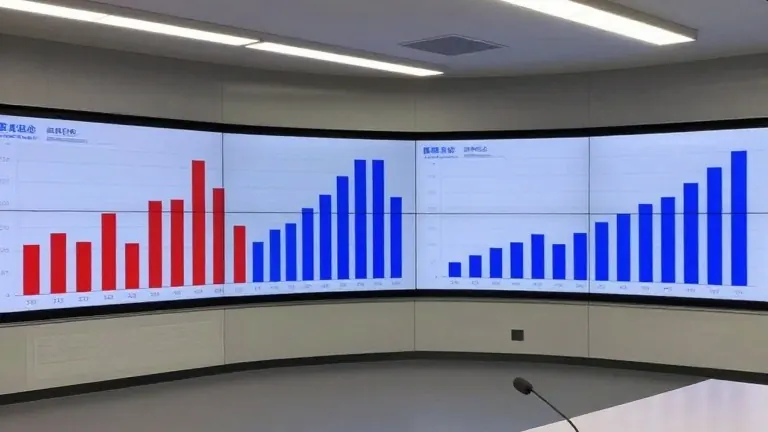
Opinion polls indicate Democrats hold a favorable position for the vote. Public anger regarding corruption and the rising cost of living appears to favor the Democratic Party. Current projections suggest Republicans may lose their majority in the House. If all current trends hold, Democrats could also capture the Senate. However, past polls have underestimated Donald Trump's support base. Republicans benefit from heavy gerrymandering of electoral districts. They also have access to record-breaking campaign spending in key states. Elon Musk has contributed $276 million to political funding groups since July.
Former President Barack Obama is actively campaigning in the final days of the election. He recently visited a venue outside Atlanta to support Jon Ossoff. Ossoff is running for Senate in Georgia. Obama campaigned alongside Keisha Lance Bottoms, Atlanta's former mayor. Bottoms is seeking to become Georgia's first Black governor. Obama's presence aims to boost the morale of the Democratic ticket. His influence is visible in the political styles of several millennial candidates. These include Pete Buttigieg, who shares Obama's centrist instincts. Others, such as Michigan Senate candidate Abdul El-Sayed, position themselves to Obama's left. The former President's impact extends to Alexandria Ocasio-Cortez and Texas Senate candidate James Talarico.
Washington Correspondent Keith Duggan notes a strategic challenge for the Democrats. He writes that the party must decide how and when to deploy its most beloved political figure. Duggan argues that Obama retains the ability to generate fervent optimism among supporters. This enthusiasm mirrors the energy of his first presidential bid. However, Duggan warns that Obama's strong appeal risks eclipsing the candidates who are running for office.
David McWilliams writes in a column that the election functions as a referendum on Donald Trump. McWilliams identifies inflation as the central issue. He writes, “It’s inflation, stupid.” McWilliams argues that a loss for Trump could deepen existing political divisions. He suggests the Republican Party may face its second internal conflict within a decade. The first conflict centered on electing Trump. The next would focus on removing him.
The election also highlights growing concerns over corruption. Liz Carolan examines how attitudes toward corruption have shaped this cycle. She draws a parallel to Serbia, where opposition forces unseated long-time leader Aleksandar Vucic the previous week. Voters in the United States are weighing these issues as they head to the polls on Tuesday.
Source: The Irish Times