
Diabetes Prevention: Routine Screening and Lifestyle Adjustments
Simple blood tests and incremental changes in activity and diet can lower the risk of developing type 2 diabetes.
By Adam Lin ·
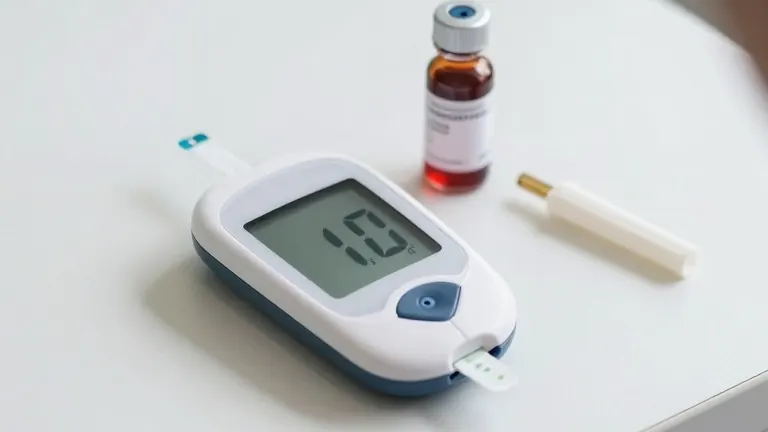
Diabetes remains one of the most prevalent chronic conditions in the United States. The condition arises when the body struggles to regulate blood sugar, a process that can lead to damage in blood vessels, nerves, and organs if left unchecked. While type 1 diabetes is an autoimmune disorder requiring insulin treatment, type 2 diabetes is the most common form. It develops when the body fails to use insulin effectively. Gestational diabetes, which appears during pregnancy, also raises the long-term risk for type 2 diabetes.
Many individuals live with elevated blood sugar levels without immediate symptoms. Warning signs often develop gradually and may include excessive thirst, frequent urination, fatigue, blurry vision, and slow-healing cuts. Some patients experience tingling in their hands or feet or lose weight without trying. Because these symptoms can be subtle or absent, regular medical screening is essential for early detection. Risk factors include family history, excess weight, high blood pressure, and a previous diagnosis of gestational diabetes.
Unmanaged high blood sugar increases the likelihood of serious complications. These include heart disease, stroke, kidney disease, nerve damage, and vision loss. A diagnosis does not guarantee these outcomes, however. With a consistent treatment plan and regular monitoring, many patients maintain active lifestyles. The focus shifts to managing the condition through medical care and personal habits rather than waiting for complications to arise.
Health professionals recommend small, consistent changes to improve blood sugar management. Patients are advised to engage in at least 150 minutes of moderate physical activity per week. This can include brisk walking, swimming, or biking. Dietary adjustments also play a role, with an emphasis on vegetables, fruits, whole grains, and lean proteins. Reducing intake of sugary beverages and highly processed foods supports better metabolic health. For individuals with prediabetes who carry excess weight, modest weight loss can reduce the risk of progressing to type 2 diabetes.
Monitoring key health metrics allows patients and providers to identify concerns early. Tracking blood sugar, blood pressure, and cholesterol levels provides a clearer picture of overall health. Routine checkups offer opportunities for appropriate screenings and informed decision-making. These habits help mitigate the risk of type 2 diabetes, though they do not prevent type 1 diabetes.
The A1C test serves as a primary tool for detecting elevated blood sugar. This test measures the percentage of red blood cells with sugar-coated hemoglobin. Because red blood cells regenerate roughly every three months, the A1C reflects average blood sugar levels over that period. Results in the diabetes range typically require additional testing for confirmation, unless other clinical signs clearly establish the diagnosis.
National Diabetes Month serves as a reminder for individuals to review their health status. Whether managing an existing diagnosis or assessing personal risk, a conversation with a primary care provider and a routine blood test represent the initial steps toward better health management.
Source: WhidbeyHealth
More Business · Customer Complaints · Report a business · Got a Story?