
Amazon scraps Virginia data center plans after local pushback
The tech giant will convert 122 acres of land in Loudoun County into homes and public spaces instead of server farms.
By Idris Robinson ·
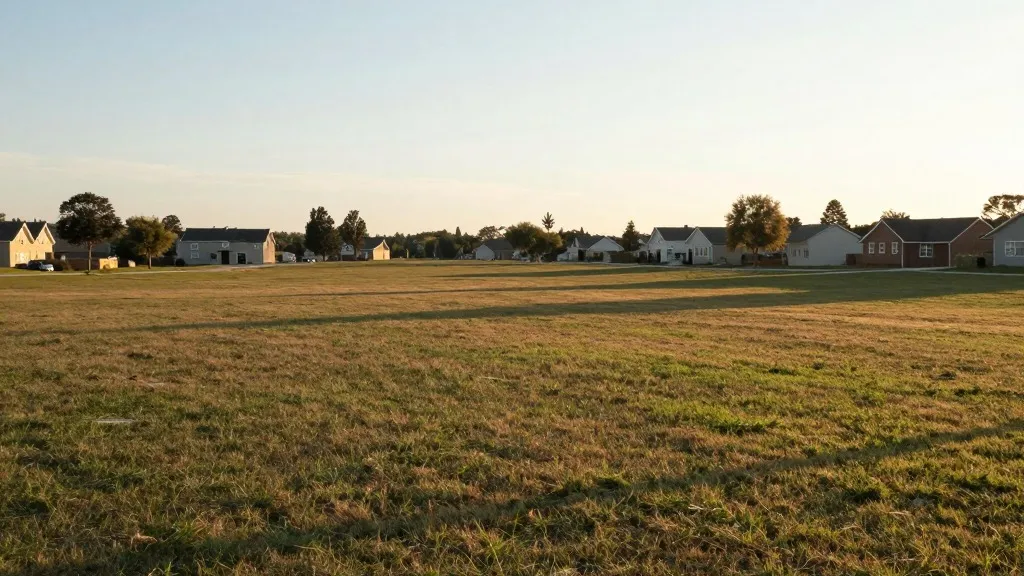
122 acres of land in Northern Virginia will no longer host four new data centers. Amazon has officially withdrawn its proposal to build these facilities on the former George Washington University campus in Loudoun County. Instead, the company plans to repurpose the majority of the space for mixed-use and residential development. This marks a significant shift in strategy for the tech giant in a region known for its heavy concentration of server farms.
The decision follows intense backlash from local residents. Many in the community expressed concern over the noise generated by data centers and the massive power requirements needed to keep them running. Amazon initially submitted its proposal in July. By September, the company met with Phyllis J. Randall, the chair of the Loudoun County Board of Supervisors. During these discussions, officials suggested that the company might find a better use for the land than building more server infrastructure.
Amazon is not simply walking away from the property. The company will donate 25 acres of the site to the county. This land is intended for a new community arts center and a recreational facility. Additionally, Amazon will contribute $5 million to the county’s housing fund. Josh Weissman, Amazon’s vice president of data center development, stated that the company considered the county’s pointed concerns. He noted that while Amazon saw different legal development potential, they concluded that a shared vision was better than costly litigation.
Loudoun County is often called Data Center Alley due to its high density of such facilities. The arrival of artificial intelligence has increased demand for larger and more powerful computing sites. However, this growth has strained local resources. Residents worry about electricity price spikes and water usage. President Donald Trump recently called for data center builders to pay local communities a dividend for energy price increases. He also suggested these facilities should generate their own power and sell excess energy back to the grid.
Local officials are framing the agreement as a win for the community. Randall stated that choosing dialogue over disagreement created a valuable opportunity for the county. She emphasized that the deal provides new places for residents to gather and play. Most importantly, she said, it will provide more attainable homes for working families. The area now moves forward with a focus on housing and community spaces rather than just technology infrastructure.
This outcome highlights the growing tension between tech expansion and local living standards. While cloud services and AI drive the need for new data centers, communities are increasingly pushing back against the environmental and financial costs. The deal in Loudoun County serves as a case study for how negotiations can change the face of a neighborhood. It shows that even major tech projects can be reshaped when local voices are loud and clear.
Source: Tom's Hardware · original report published
More Business · Customer Complaints · Report a business · Got a Story?