US freezes assets of Rwanda defense ministry over Congo conflict
Sanctions target the ministry and a bank, citing direct support for M23 rebels and mineral flows that exceed domestic production.
By Rahul Sato ·

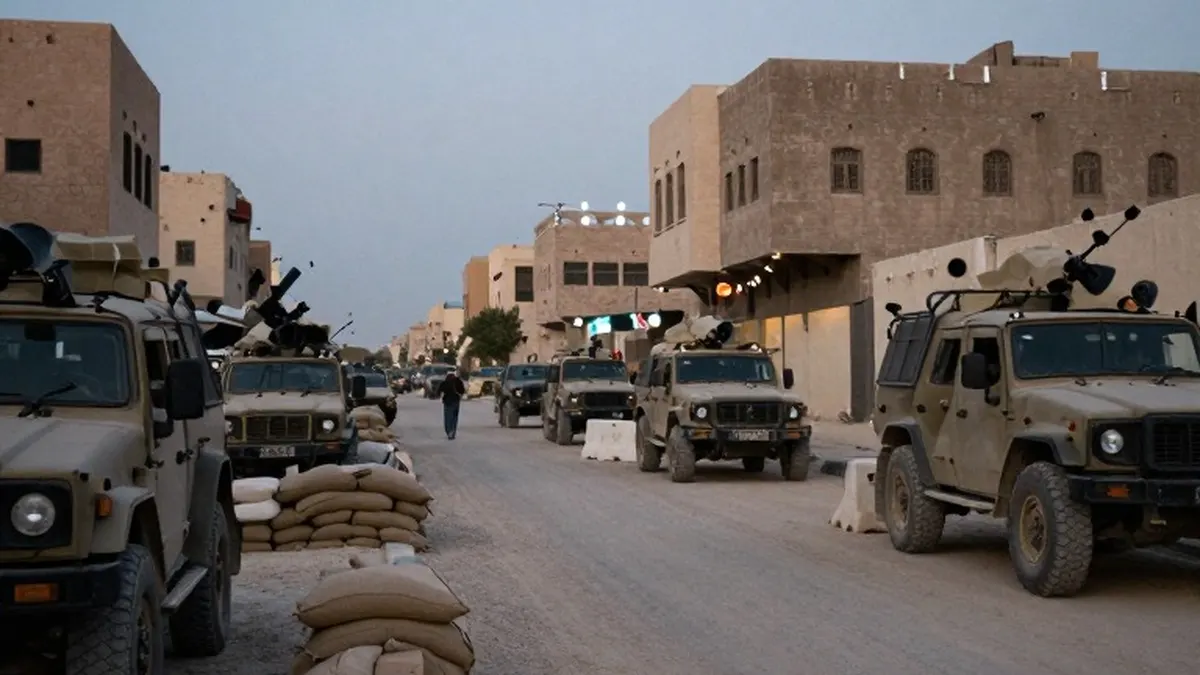
The United States Treasury Department froze the assets of Rwanda’s defense ministry on Wednesday, citing the government’s alleged role in arming and training rebel forces in the eastern Democratic Republic of Congo. The move places direct financial pressure on Kigali to withdraw its troops and stop backing the M23 group, which has controlled key areas of the region since early 2025.
US Treasury Secretary Scott Bessent stated that Rwanda must halt its support for M23 and pull its troops out of eastern DRC. The sanctions follow the Washington Accords, a peace deal signed by the presidents of Rwanda and DR Congo in December 2025 under US mediation. Despite that agreement, fighting has persisted, and M23 now holds mineral-rich zones in South Kivu and North Kivu.
Washington claims the Rwandan defense ministry directed thousands of troops to fight alongside M23, providing weapons, logistics, and training. The Treasury also noted that minerals from rebel-held areas enter Rwanda’s supply chains. Officials point to export figures that exceed Rwanda’s own production capacity as evidence that gold and coltan from the conflict zone are being processed and moved through Kigali.
The sanctions also target Zigama Credit and Savings Society, a bank that serves Rwanda’s security services. US authorities allege the institution facilitated tens of millions of dollars in transactions for M23 and its political wing, the Congo River Alliance. These funds reportedly helped pay for military equipment from China and enabled gold to move from rebel territory to Rwanda.
DR Congo President Félix Tshisekedi urged the international community to increase pressure on Rwanda ahead of the announcement. On October 24, he called for concrete sanctions to secure lasting peace. The DR Congo foreign ministry welcomed the measure and urged Rwanda to honor its commitments under the Washington Accords and the UN Charter.
Rwanda’s government spokesperson Yolande Makolo told the BBC that the US sanctions do not account for unmet commitments regarding the FDLR militia, a group linked to the 1994 genocide. She said Rwanda remains ready to implement the peace deal if the DRC fulfills its own obligations. Makolo emphasized that the mediator must hold all parties accountable for their actions.
This action follows earlier US sanctions in March 2026 against Rwanda’s army and four senior commanders. Additional penalties were imposed in June 2026 on a gold refinery and three mining firms accused of smuggling conflict minerals. The pressure extends to international business ties, with two US senators asking the NBA to reconsider its commercial relationship with Kigali due to human rights concerns.
Source: BBC News