Ukraine Proposes 'Coffee' Tactic to Neutralize Orbán at UN
Foreign Minister Andrii Sybiha suggests using a strategy from 2023 to manage Viktor Orbán's expected veto power if the US backs his bid for the UN secretary-general role.
By Rahul Sato ·
Ukrainian Foreign Minister Andrii Sybiha outlined a specific plan to manage Viktor Orbán’s potential tenure as UN secretary-general, citing the former Hungarian leader’s history of blocking EU decisions. Sybiha stated that Orbán would likely deploy the "masterful veto and blackmail skills" he cultivated over years to stall major international agreements. The minister’s comments respond to reports that the US administration is actively promoting Orbán for the post.
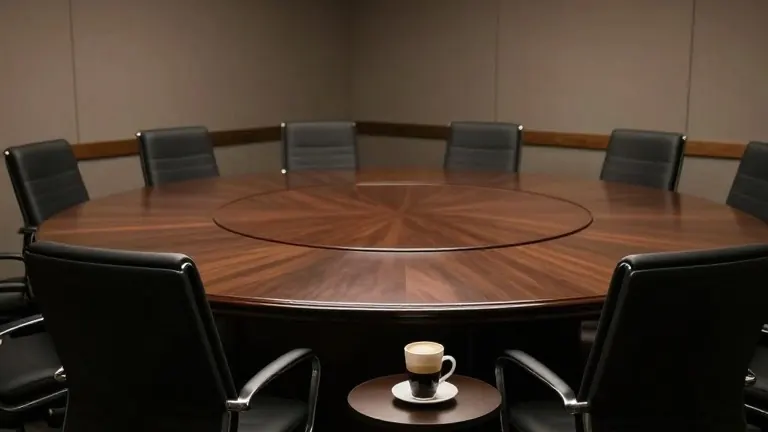
The core of Ukraine’s proposed strategy involves a diplomatic maneuver known as the coffee trick. This refers to an incident at an EU summit in late 2023 where Orbán exited the meeting room, allowing other leaders to approve the opening of accession negotiations with Ukraine without facing a Hungarian veto. Sybiha suggested that the international community could apply this same method to manage Orbán’s influence at the United Nations.
"We can share with the rest of the world our great experience of taking him out for coffee at the right moment," Sybiha wrote on X. The minister expressed confidence that this informal approach would be effective in preventing Orbán from leveraging his position to obstruct global progress. The strategy relies on temporarily removing the Hungarian leader from key voting sessions to allow other members to advance their agendas.
The US push for Orbán comes amid a complex geopolitical calculation. The Wall Street Journal reported that Washington is promoting the former prime minister while counting on support from both China and Russia. This move aligns with earlier findings by investigative journalists in May, who noted that figures in the MAGA wing of the Republican Party were exploring scenarios where a UN appointment would shield Orbán from prosecution in Hungary.
Hungarian investigative journalist Szabolcs Panyi added that Orbán is preparing to flee to the United States if legal action is initiated against him at home. Sybiha’s remarks place this potential appointment in the context of Ukraine’s own diplomatic challenges. The foreign minister’s comments serve as both a warning to allies and a practical guide for handling a leader who frequently uses procedural tactics to achieve political ends.
The next steps in the selection process depend on the coordination between the US, China, and Russia. If Orbán secures the necessary backing, the UN Security Council will begin the formal voting process. Ukraine’s proposal for the coffee strategy indicates that Kyiv expects to face repeated attempts to block decisions related to its conflict and accession talks. The diplomatic community will now watch for how other nations respond to Sybiha’s public suggestion of this management technique.
Source: Ukrainska Pravda