Trump Adds Back Iowa and Kansas Rallies Amid Early Vote Surge
The president reversed his cancellation of two stops in states with competitive Senate races after data showed advance voting up 30%.
By Adam Lin ·
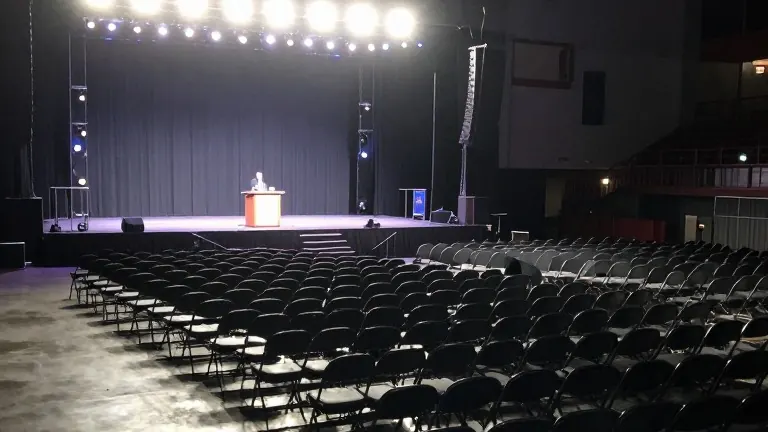
President Donald Trump is campaigning in Iowa and Kansas on Sunday after reversing the cancellation of both rallies.
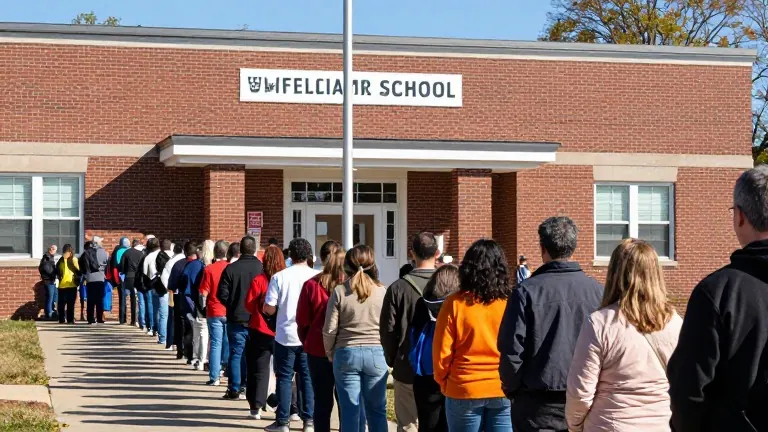
The schedule change comes as early voting numbers climb. An Associated Press analysis found that nearly 10 million more Americans cast ballots five days before Election Day than at the same point in 2022. In Iowa and Kansas, where Senate races are competitive, early voting has risen by roughly 30% compared to the previous midterm cycle.
Trump had initially planned to hold a rally in Salina, Kansas, on Saturday and another in Dubuque, Iowa, on Sunday. The Republican National Committee announced a shift to a 72-hour sprint of phone rallies to reach more voters nationwide. On Friday, the schedule changed again. Trump will now hold in-person events in Dubuque and Salina. The Iowa stop was briefly moved to Cedar Rapids before returning to Dubuque, according to one person familiar with the planning.
The president defended the original cancellation on Thursday. He told reporters he did not feel he had to go to Kansas because Republican Sen. Roger Marshall was doing well in polls. Trump said he feels perfect and that the change was not tied to fatigue or health.
Both parties believe the surge in early voting favors them. Republicans worry that high costs and dissatisfaction with the president may suppress their turnout. Democrats have focused their campaigns on affordability and the president's unpopularity. In Texas, more than 6.3 million residents voted early as of Wednesday, a 50% increase from the same point four years ago. Early voting in South Carolina is up 83% as voters choose a successor to Sen. Lindsey Graham.
Trump has already visited both states this month to support Marshall and Iowa Senate candidate Ashley Hinson. In a Friday interview with a Kansas City radio station, Trump called Marshall fantastic and credited him for pushing administration policies on red-dyed diesel for farmers. He criticized Marshall's Democratic challenger, Adam Hamilton, a Methodist pastor, as a radical who caused turmoil in the church.
The midterm elections will determine if Republicans keep their narrow Senate majority. Historic amounts of money have flowed into this year's races. In Michigan, Rep. Haley Stevens is actively campaigning alongside her primary opponent, Abdul El-Sayed, despite a recent statement criticizing his past rhetoric and an advertisement linking U.S. support for Israel to grocery prices.
Source: Las Vegas Sun