Polls show 5-point swing in Senate races
Democratic and Republican strategists told Cascade PBS that voter sentiment has shifted sharply in key battleground states since August.
By Adam Lin ·
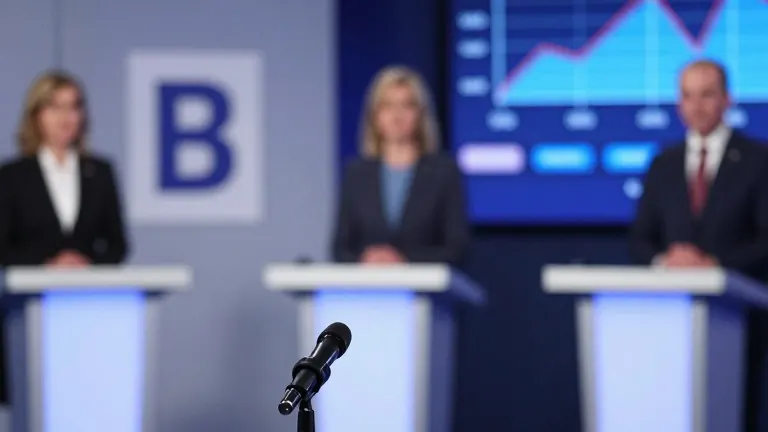
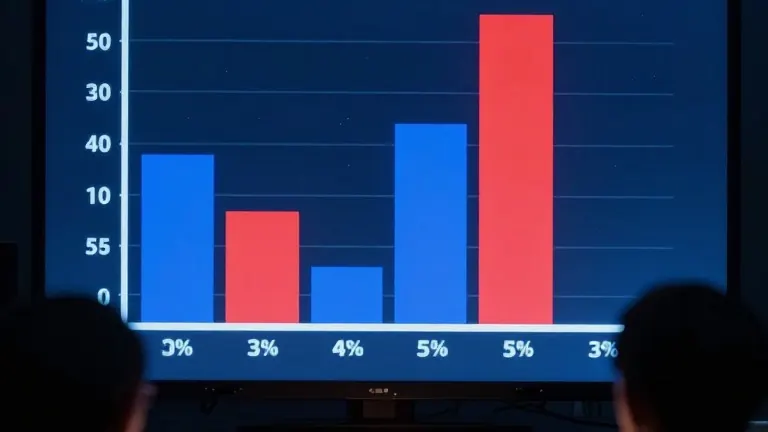
Voters in five swing states now face a different set of choices in November than they did three months ago, according to internal polling data shared with Cascade PBS. The shift reflects a five-point swing in support for Senate candidates, a margin that could determine control of the chamber for the next two years.
Strategists from both parties assessed the current state of the midterms during a panel discussion aired on Thursday. They agreed that the political environment has changed since the summer, driven by economic anxiety and dissatisfaction with the current administration.
A Democratic strategist noted that turnout among first-time voters is running four points higher than in 2022. The strategist pointed to specific counties in Arizona and Georgia where this demographic is heavily concentrated. This surge is altering the expected turnout models for both parties.
Republican advisers countered that the opposition is overestimating the durability of this enthusiasm. They argued that the drop in approval ratings for the House minority leader has helped their candidates in New Hampshire and Pennsylvania. They cited a recent poll showing their Senate candidate leading by two points in a district that voted Democratic in 2024.
The panelists debated the impact of the war with Iran on voter priorities. A Democratic consultant stated that national security concerns are now the top issue for 40% of undecided voters. This figure is up from 25% in late September, according to the same polling data.
Republican strategists suggested that the conflict has benefited their party by reminding voters of the need for a strong executive branch. They highlighted a survey showing that 52% of independents now support the President’s foreign policy decisions. This is a gain of eight points since the conflict began.
Both sides acknowledged the financial cost of the upcoming campaign. The Democrats have raised $120 million for Senate races in the last 60 days. The Republicans have raised $105 million, relying heavily on small-dollar donations from their base. These funds will be spent primarily on digital advertising in the final 30 days.
The next major milestone is the first general election debate in the Senate, scheduled for November 14. The debate will feature the candidates from the three most closely contested states. Broadcasters have indicated that the debate will be heavily weighted toward economic and foreign policy questions.
Polling is expected to continue through Election Day, with new data released weekly. Analysts suggest that the final margin of victory in the Senate could hinge on turnout in just two states. Those states have historically voted for the same party in the last four election cycles.
The panel concluded by noting that the outcome of these races will set the legislative agenda for the next Congress. The next round of fundraising calls for both parties goes out on Monday. Donors are being asked to contribute before the deadline on November 10.
Source: Cascade PBS