NPR Correspondents Discuss Polling Accuracy and Midterm Race Dynamics
Reporters explain how state-level polling errors and close margins of error complicate coverage of the 2026 elections.
By Idris Robinson ·
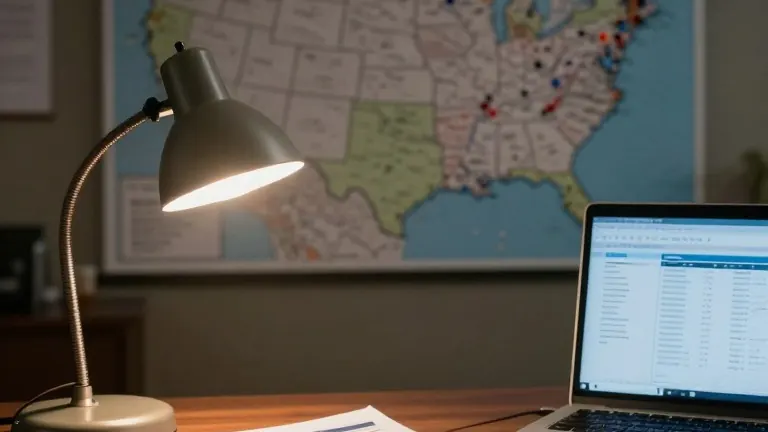
NPR political correspondents addressed listener questions on the reliability of polls and the specific dynamics of the 2026 midterm elections. The discussion took place ahead of Election Day, focusing on the challenges reporters face when interpreting data from a cycle marked by recent polling misses. The correspondents included Domenico Montanaro, a senior political editor and correspondent, along with congressional reporter Sam Gringlas and senior political correspondent Tamara Keith.
Montanaro noted that national polls have generally tracked the horse race accurately, though they slightly underestimated Republican turnout. He explained that polls carry margins of error between three and four percentage points, creating a range of six to eight points. This width means the data provides a fuzzy range rather than the precise precision voters often expect. He attributed recent errors in state surveys to a decline in local journalism, which has reduced funding for rigorous and frequent polling. He also pointed to the presence of low-quality and fake polls in the state-level data.
The correspondents agreed that midterms offer distinct reporting opportunities compared to presidential cycles. Gringlas described covering House and Senate races as more intimate than presidential events. He cited recent assignments at an antique shop, a farmer's market, a UAW picnic, a family farm, and a smokejumper-themed brewery. These settings allowed for closer observation of candidate interactions with voters, which he said is less common in the heavily secured venues of presidential rallies.
Keith identified Nevada's 2nd Congressional District as a race she is following closely due to its unpredictability. She described the district as one that President Trump won by 14 points, a seat that has not been held by a Democrat in over 40 years. The Republican nominee, backed by Trump, moved to the district specifically to run for Congress. In an interview with Keith, the candidate blamed his grandchildren for a campaign misstep. The retiring Republican incumbent has criticized his own party's nominee and stated he voted for a Libertarian candidate.
Montanaro highlighted several ballot measures that could reshape the political map. In Maryland, voters are considering a constitutional amendment that would allow Democrats to add one more seat, a measure that appears unlikely to pass. In Colorado, a measure seeks to make it harder for the legislature to redistrict mid-decade. Missouri voters are weighing a proposal that could help Republicans flip a congressional seat. Alaska voters are again deciding on their top four nonpartisan primary system and ranked choice voting, a question that has remained close in previous cycles.
The correspondents also discussed the potential impact if Democrats gain control of one or both chambers of Congress. Montanaro stated that midterms historically serve as a check on the party holding the White House. He noted that split power often leads to legislative standstills, though bipartisan issues such as artificial intelligence guardrails might see progress. He added that oversight and investigations would likely be the primary focus of a Democratic Congress. He pointed out that only twice since World War II has the president's party gained seats in a midterm, occurring in 1998 and 2002.
Gringlas and Keith added that voter engagement varies by election type. Keith observed that more voters are engaged in presidential years, which facilitates better interviews. However, she noted that the current midterm cycle is approaching its end. The correspondents concluded by emphasizing the importance of ground reporting and historical context to supplement polling data in these close races.
Source: KNKX Public Radio