
Home Experts Urge Homeowners to Skip Dishwashers to Save Kitchen Tools
Maid Brigade and Wizard of Homes advise against using heat to protect wooden spoons and cutting boards from warping.
By Adam Lin ·
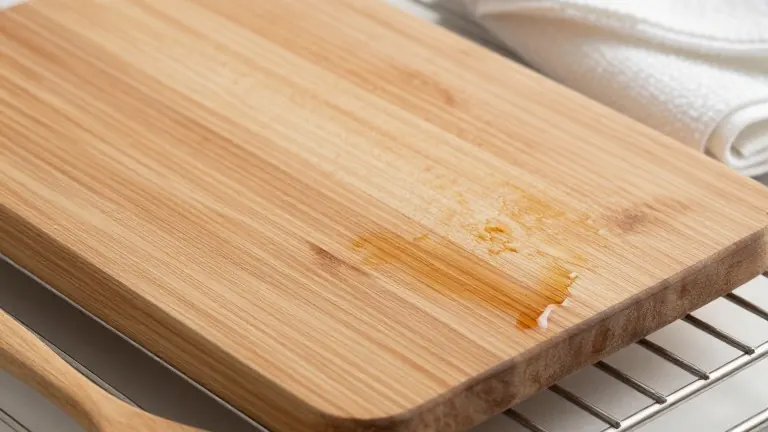
Cleaning experts advise homeowners to hand wash wooden kitchen utensils to prevent warping and splitting. The guidance comes from Maid Brigade and Wizard of Homes, which state that dishwasher heat and humidity damage the wood surface. Both firms recommend avoiding the appliance even if product labels claim the items are dishwasher safe.
The recommendation follows a review of common kitchen maintenance errors. Wood expands as water evaporates during the drying process, a condition that leads to cracking and splintering. Kadi Dulude, owner of Wizard of Homes, notes that the dishwasher environment is too hot for wood. She explains that prolonged exposure to heat and humidity causes items to warp. Robin Murphy, chief cleaning officer at Maid Brigade, adds that water expansion during drying is a primary cause of structural failure in wooden tools.
Experts outline a specific manual cleaning protocol to extend the life of these items. Homeowners should rinse utensils with warm water immediately after use. They should then scrub the surfaces with a soft brush or sponge and mild dish soap. The process requires attention to grooves and joints where food residue collects. Users must rinse the items thoroughly and pat them dry with a clean towel. The tools should then air dry on a rack where air circulates freely. Placing them flat on a wet cloth traps moisture and encourages mold growth.
Maintenance includes applying food-grade mineral oil to dry or faded surfaces. This step restores moisture without making the food taste oily. Experts warn against using vegetable or olive oil because these fats turn rancid over time. The oil application mimics the seasoning process used for cast iron skillets. Users should rub a small amount of the oil onto a cloth and apply it to the dry wood. The utensils must dry completely before storage or use.
Homeowners should inspect their tools for deep cracks. Dulude states that deep cracks allow food and moisture to enter, which can contaminate future meals. A small imperfection can often be fixed by light sanding and oiling. However, deep structural damage requires replacement. Murphy advises against using harsh cleaners like pure bleach or abrasive powders on wood. These products scratch the surface and strip the natural finish.
The next step for kitchen owners is to check their current utensils for damage. They should look for roughness or deep splits. If the wood is intact, they should proceed with the hand washing and oiling routine. The process requires warm water, mild soap, a soft brush, and food-safe mineral oil. Skipping the dishwasher is the single most effective way to preserve the tools.
Source: NBC News