9 Days: The New Normal for Extreme Heat and Smoke in Oregon
A new state report details how combined heat and smoke events have quadrupled since 2006, straining public health and youth well-being.
By Adam Lin ·
Oregon residents are facing a sharper, more frequent climate reality. The state now experiences quadruple the number of days with both extreme heat and wildfire smoke compared to two decades ago. This shift is driving up emergency room visits for heat-related illnesses and increasing mortality rates.
The Oregon Health Authority released its 2025 Climate and Health report this month. The agency analyzed data in five-year intervals, comparing the period from 2006 to 2010 against the period from 2021 to 2025. Extreme heat days doubled from an annual average of 12 to 22. Wildfire smoke days tripled from 11 to 33. Combined events of heat and smoke went from two days per year to nine.
Gabriela Goldfarb, the environmental public health manager at the Oregon Health Authority, called the trends eye-opening. She noted that heat and smoke affect every organ in the body, including the heart and brain, not just the lungs. The report identifies 2025 as the third warmest year since records began in 1895. Unusually early heat in June 2025 broke temperature records and contributed to a spike in heat-related illnesses. The state recorded nine heat-related deaths that year.
The burden falls heavily on rural communities in Southern, Central, and Eastern Oregon. Ben Brint, senior climate program director at the Oregon Environmental Council, stated that climate impacts are in full acceleration mode. He argued that solving these problems requires an all-hands-on-deck approach involving tribes, county health authorities, and community organizations. Brint emphasized that Oregon must continue funding effective programs despite a federal moment and an international crisis.
The changing climate is also affecting mental health. A statewide survey of 11th graders found that 71 percent reported stress about the future due to climate change. Nearly 40 percent said these feelings negatively impacted their lives. Goldfarb stated that it is not a wonder the issue is on young people's minds.
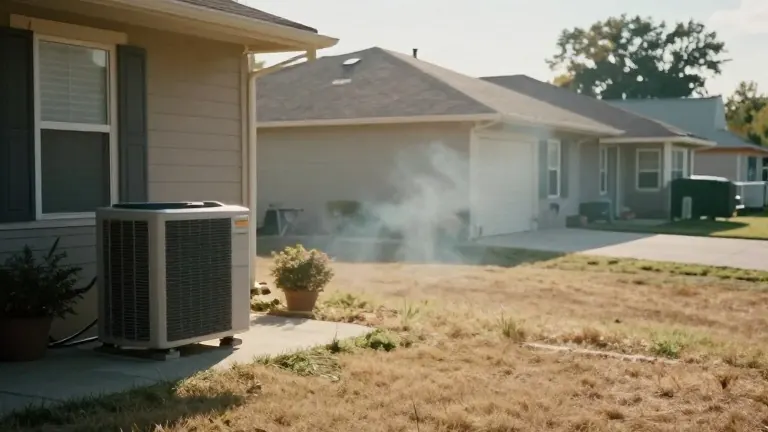
Kelly Juarez moved from Reno, Nevada, to Linn County two years ago seeking a cooler climate. She arrived during a 95-degree heat wave with a broken air conditioning unit. Her daughter, Sissy, has a heart condition that requires temperatures of 75 degrees or less. The family stayed with friends until the heat passed. Juarez later installed a new heat pump through a home modification program run by Seeds for the Sol. The upgrade helped keep her daughter comfortable and lowered energy bills.
State programs are attempting to bridge the gap between rising temperatures and household needs. The Oregon Health Authority's Healthy Home Grant has awarded nearly $25 million to 34 organizations. The program served 481 households across 25 counties between 2024 and 2025. The Oregon Department of Energy also offers installation programs that have exhausted available funding due to high demand. Juarez remains cautious, noting that heat and fire are becoming the new normal for Oregon.
Source: KOPB-FM