Novaya Gazeta shuts down after 30 years of Russian pressure
The independent newspaper cites eviction, disabled donations, and a foreign agent designation covering over 100 staff members.
By Idris Robinson ·

Novaya Gazeta announced its permanent closure on Thursday, ending a 30-year run as one of Russia's most prominent independent newspapers. The editorial board stated that the decision was forced by sustained pressure from state authorities, law enforcement, and intelligence agencies.
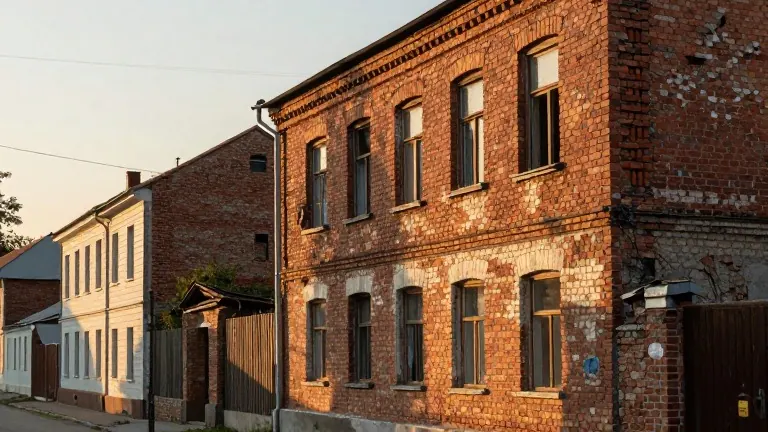
The paper received an eviction notice for its central Moscow office, a location where its team had worked for 29 years. Management confirmed that the system accepting reader donations was disabled, effectively stripping the publication of the financial tools needed to continue operations.
"We have been killed," the announcement read. "On 9 November, we will turn off the lights in our home, where we lived for 30 years, shut down the servers and leave. The newspaper is no more." The statement attributed the shutdown to the FSB, the Ministry of Justice, and the prosecutor's office.
The paper noted that since Russia launched its full-scale invasion of Ukraine, authorities blocked all its online resources and seized its printing house. Intelligence officers and censors also intervened to stop other printers from producing the physical edition, isolating the newsroom for nearly five years.
Personnel losses accelerated after the Kremlin revoked the newspaper's media registration. Authorities began designating its journalists as "foreign agents," starting with the editor-in-chief. This legal status imposes strict reporting requirements and is widely used to target independent media and critics of the government.
In September, the designation expanded to the entire editorial board and more than 100 journalists and contributors. The paper reported that its editor-in-chief, Dmitry Muratov, was the target of an assassination attempt. Many other employees were forced to leave the country to continue their work.
Founded in 1993, the newspaper became a platform for outspoken critics of President Vladimir Putin in the early 2000s. It notably employed human rights activist Anna Politkovskaya, who was murdered in 2006. Muratov, who won the Nobel Peace Prize in 2021 for protecting free speech, sold his medal in March 2022 to donate proceeds to Ukrainian refugees.
Source: Ukrainska Pravda