Lula Beats Flávio Bolsonaro in Runoff After 2.2M Deficit
The 80-year-old former president erased a 2.2 million vote deficit from the first round, aided by a drop in voter abstention that favored his base.
By Idris Robinson ·
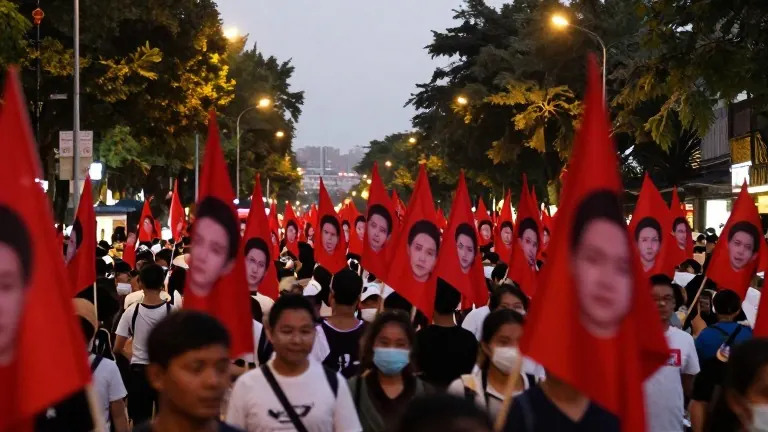
Luiz Inácio Lula da Silva secured a fourth term as president of Brazil on Sunday, defeating Flávio Bolsonaro in the final runoff. With 99% of ballots tallied, Lula received 51.75% of the vote to Bolsonaro's 48.25%. The result marked a 4.3 million vote victory for the 80-year-old candidate, who turns 81 on Tuesday.
The outcome reversed a deficit that had defined the first round in early October. At that time, Lula trailed by 2.2 million votes. No candidate who finished second in a first round has ever won the subsequent runoff since Brazil returned to democracy in the 1980s. The narrow earlier loss had left Lula's political standing in doubt for three weeks.
Turnout shifts appear to have driven the change. The first round saw a record abstention rate of 21.08%, a figure that hurt Lula disproportionately because his supporters often live far from polling stations. In the runoff, abstention dropped to 19.21%. Reginaldo Lopes, a key ally of Lula, described the result as Brazil sending a message to the world about the extreme right. He said the country would now reorganize the democratic forces.
Lula’s path to the presidency began in the late 1970s as a union leader in São Paulo’s industrial suburbs. Born into rural poverty, he worked in factories and lost three presidential bids in 1989, 1994, and 1998. He became Brazil’s first elected working-class president in 2002. After serving two consecutive terms, he returned to office in 2022 after defeating Jair Bolsonaro, the father of his current opponent.
The defeat dealt a major blow to the Bolsonaro family. Jair Bolsonaro, who is serving a 27-year sentence for plotting a coup, had hoped his son’s victory would secure his release and a government role. He remains under house arrest in Brasília, where his son watched the vote count. Confirmation of Lula’s win was met with anger and bewilderment among those present.
The result also challenged the Latin American strategy of US President Donald Trump. Trump had sought to place Brazil in a lineup of allied leaders, including Abelardo de la Espriella in Colombia, Daniel Noboa in Ecuador, José Antonio Kast in Chile, and Javier Milei in Argentina. The Bolsonaro family viewed the US as their most important international ally in this contest.
Supporters demonstrated their strength on Saturday with gatherings on Rio’s Copacabana beach and Paulista Avenue in São Paulo. More than a million people attended the beach event, while an even larger crowd marched in São Paulo. On Sunday evening, hundreds returned to Paulista Avenue to watch the results. Camilo Buarque, 35, a supporter waving a red flag, stated, 'This is democracy.' In São Paulo, voters also expressed anger over an apparent attempt by pro-Bolsonaro politicians to disrupt the vote by sabotaging public transport in Lula-leaning areas. The effort failed to stop the turnout.
Source: The Guardian