4 Million Ballots Counted, No Majority in Israeli Election
Exit polls show neither Netanyahu nor Eisenkot has the 61 seats required to govern, triggering a period of coalition negotiations.
By Adam Lin ·
Benjamin Netanyahu and Gadi Eisenkot both claim victory in Israel's recent election, but the numbers do not support either side. As of the morning following the vote, neither bloc has secured the 61 seats required to form a government. The result leaves the country in a political stalemate that could extend for weeks.
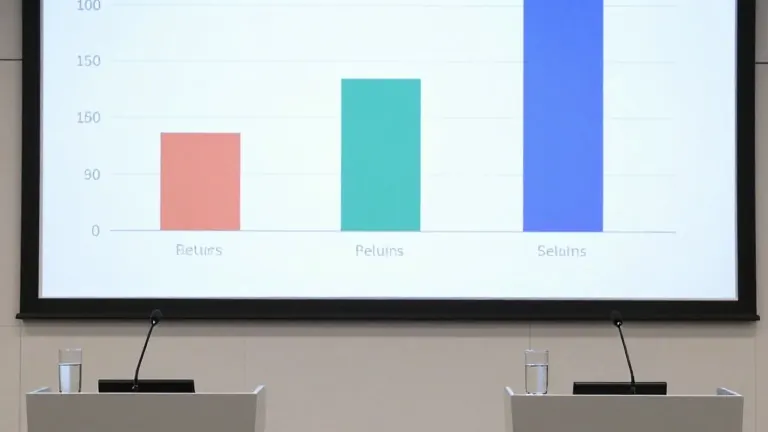
Partial official results show the breakdown of the 120-seat Knesset. The Netanyahu coalition holds 54 seats. The opposition Change bloc, led by Eisenkot, holds 47 seats. Palestinian parties hold 19 seats. These figures are based on 70% of the vote, or 4 million ballots, counted so far. No party or alliance has crossed the threshold for a majority.
Netanyahu, Israel's longest-serving prime minister, stated he would assemble a government. He plans to negotiate agreements with his Likud party, far-right factions, and Jewish religious parties. Eisenkot offered a different interpretation of the same data. He said earlier in the evening that "people decided in favour of change." Eisenkot argued that Netanyahu should have "announced today his retirement from politics."
The election featured a record participation rate among Israeli citizens of Palestinian origin. This demographic constitutes about 20% of the country's population. Julian Borger, reporting from Nazareth, noted that Eisenkot will need to work with Arab-Israeli leaders to have a realistic chance of governing. This dynamic adds a new layer to the coalition calculations. Millions of other Palestinians living under Israeli rule in the West Bank and Gaza did not have the right to vote in this election.
The lack of a clear winner forces the leaders to look for partners outside their immediate camps. The 19 seats held by Palestinian parties become a potential deciding factor. Eisenkot's bloc is short by 14 seats to reach a majority. The Netanyahu bloc is short by 7 seats. Both sides must secure enough votes from the remaining parties to bridge that gap. The negotiations will determine which vision of Israeli governance prevails.
The political impasse mirrors recent trends in other democracies where fragmented legislatures delay policy changes. In Israel, the stakes are high due to the ongoing regional conflicts and economic pressures. The ability to form a government quickly will influence the country's foreign policy and domestic legislative agenda. Observers are watching the next few days closely for moves by smaller parties that could tip the balance.
The final count will confirm whether the current seat distribution holds or shifts slightly. The official results are expected to finalize the composition of the Knesset. Until then, the two main contenders are engaged in public messaging and private back-channel discussions. The outcome of these talks will define the next phase of Israeli politics.
Source: The Guardian